 AU
AU
 US
US

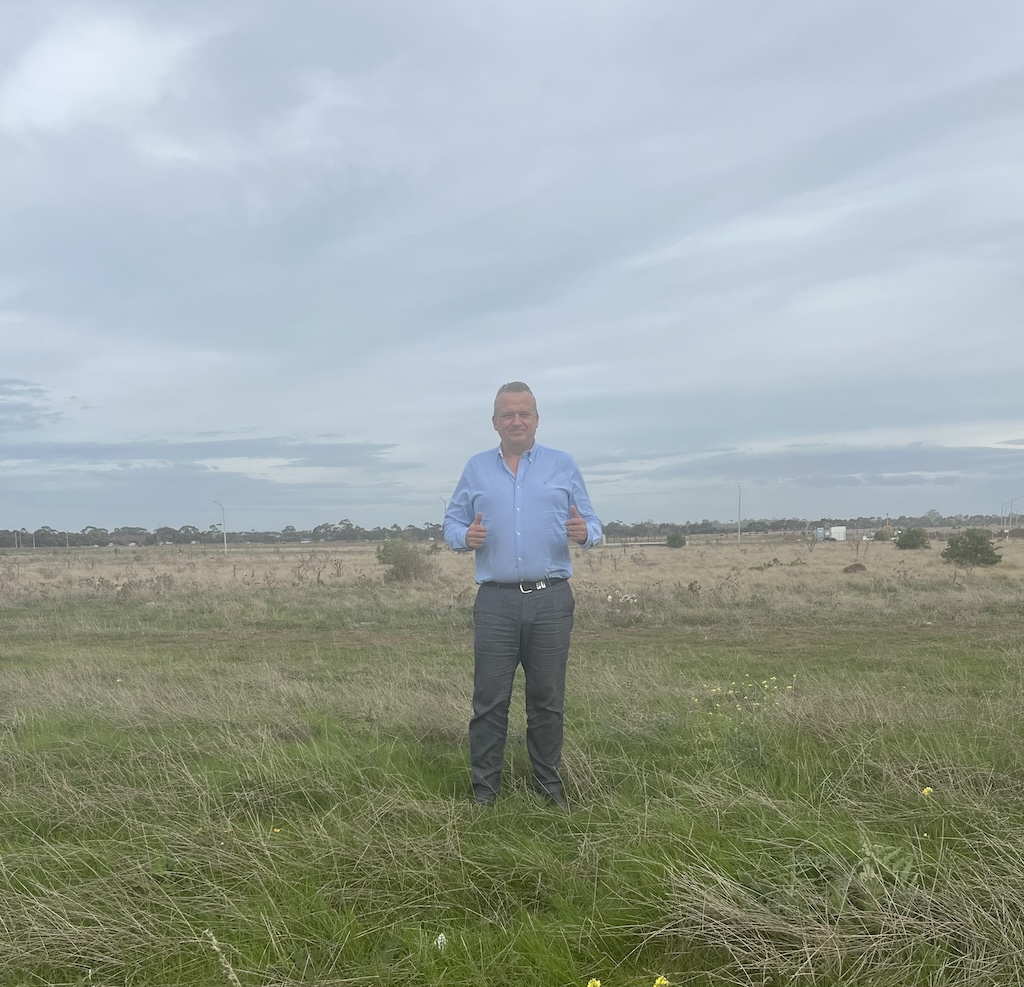
There’s a photograph of James Gardiner standing on an empty block of land in Truganina, Victoria. Nothing around him but dirt, slope, and possibility. He’s been in that position before — 15 times, to be exact.
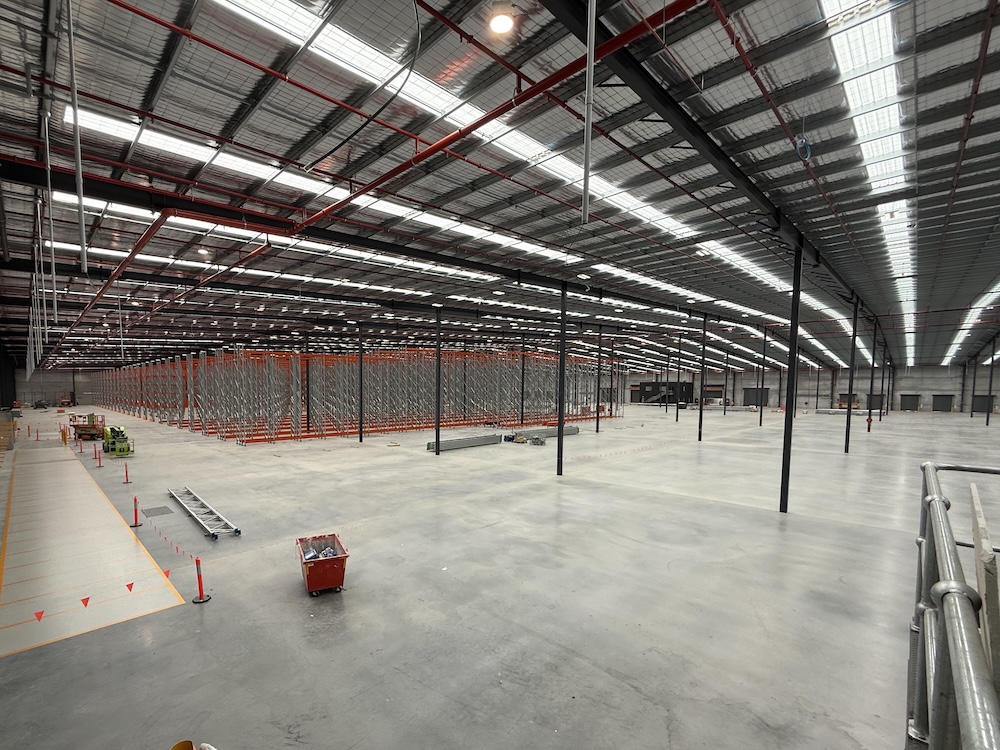
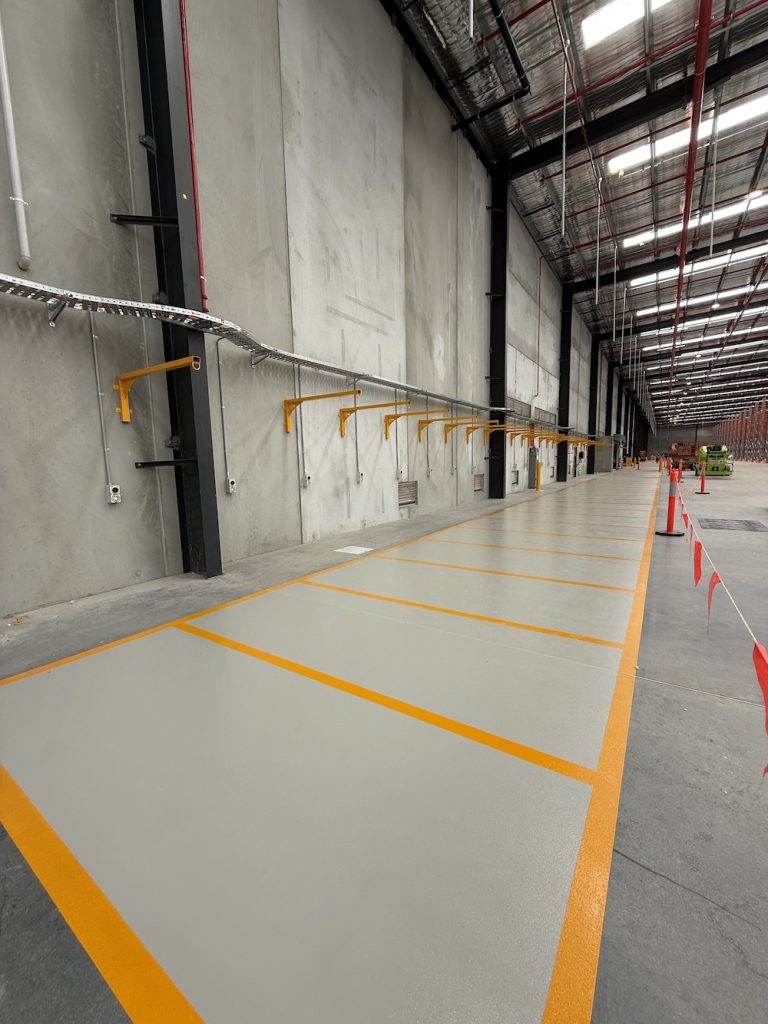
The 37,000-square-metre facility at the Mount Atkinson Precinct that has since risen from that block is his 16th. It’s the third warehouse he’s built for Makita, a client who has come back to him three times. And that, perhaps more than any award or accolade, tells you something about the way James approaches a build.
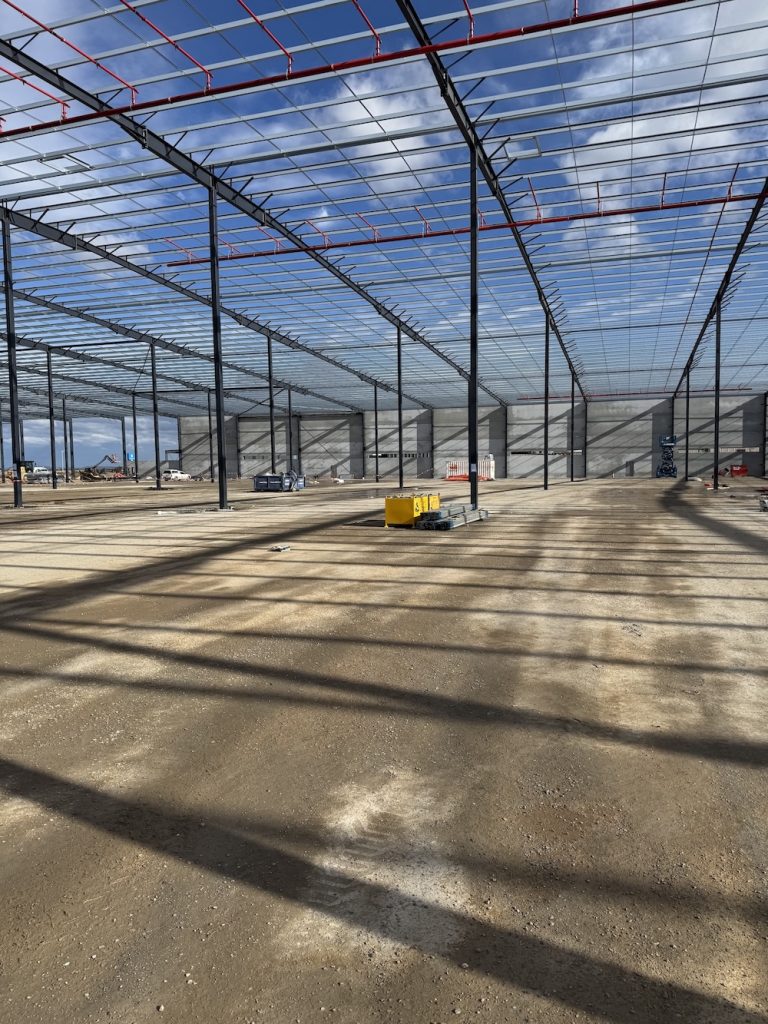
“The excitement is taking a block of dirt to an entire finished product,” James says. “Watching as that dirt becomes benched, has columns put up, has a roof put on, has the slab poured. Then watching as product is migrated and people start working in a facility that your DNA was built into.”
This particular build, commissioned by Makita, was soup to nuts. WIN Solutions helped source the land, negotiated the property purchase, ran the RFP, project managed the construction with the nominated builder FDC Construction & Fitout, and is now overseeing the fit-out to ensure the warehouse is racked, labelled, and set up correctly with labour management and warehouse systems all aligned from day one.
It is not something most warehouse consultancies do. But for James, it’s simply part of the job.
This isn’t a side project. It’s a discipline.
Most people encountering James’s background assume the warehouse builds are an occasional add-on. They’re not. Over more than two decades, he has been involved in facilities for Woolworths, Coles, UPS, ASICS, and many others. His involvement has ranged from sitting on steering committees in the early days to leading the entire process end-to-end with multiple blue-chip clients.
“This is my 16th warehouse. I do it all the time,” he says matter-of-factly. “It started as being part of committees and groups. I’ve evolved to doing the entire project from start to finish.”
What’s changed over that time? The scope of the discipline, quite considerably.
How warehouse building has changed: sustainability, automation, and thinking ahead
Twenty years ago, you found a big empty shed and figured it out from there. Today, the considerations begin long before a single column is sunk into the ground.
Solar panels have become a standard feature, reducing energy costs and satisfying ESG obligations for large corporate operators. Green Star accreditation requirements now shape design decisions from the outset. And perhaps most significantly, automation and fit-out planning have shifted from afterthoughts to upfront criteria.
“Automation and fit-out planning in advance of the building of the warehouse has become a key criterion,” James explains. “As opposed to just taking control of a big empty shed and filling it out after the fact.”
Getting this sequencing wrong costs money. Significant money. And it’s more common than most clients expect before they begin the process.
Pre-lease or owner build: they’re not the same conversation
One of the first distinctions James draws is the difference between a pre-lease and an owner build. It shapes virtually every decision that follows.
An owner build like the Makita facility gives the client full control over configuration, technology, and future-proofing. They know they will occupy that facility, or control it, for the long term. They can build around their operational requirements from day one, with their WMS, labour management system, and material handling equipment all considered in the architectural brief.
A pre-lease operates differently. The developer has one eye firmly on the resale or re-leasing market. That influences decisions that might seem purely operational — including office space.
“Most warehouses, ten percent of the size of the warehouse is required for office space,” James explains. “Even though a client might only need 500 square metres of office, the developer will insist on more because they want to sell that building later, or re-lease it to another company. It needs to retain value based on square metres.”
Neither model is wrong. But walking in without understanding which conversation you’re in leads to misaligned expectations and costly variations.
The number one thing most companies get wrong: they don’t plan early enough
After 16 builds, James was asked what the single most important lesson is. The answer was immediate.
“Plan. Plan. Plan. Variation down the track is the enemy.”
It’s simple advice. It’s also, in James’s experience, the thing that most organisations fail to act on. The clients who engage in the process early, who make their technology and operational decisions before the slab is poured, not after avoid the expensive redesigns, the structural compromises, and the go-live delays that plague many large builds.
The variables that demand early attention go well beyond technology. Council planning requirements determine how many toilets are required. How many car parking spaces. Whether the site even has approval for the operational intensity you’re planning. Every local council has its own rules, and assuming one jurisdiction’s requirements mirror another’s is a mistake James has seen operators make more than once.
“There are quite a few inputs into what you’re doing,” he says. “And there’s a strong skill set required to manage this. It’s not something anyone can do.”
One builder. One responsible party. No excuses.
Another principle James returns to repeatedly is accountability in the contractor structure. On a complex build, the instinct is sometimes to spread the risk across multiple parties. James’s experience points in the opposite direction.
Nominating a single builder like FDC Construction & Fitout and making that builder wholly responsible for what they deliver concentrates accountability where it belongs. When something goes wrong — and in any build of scale, something will — there is no ambiguity about who is responsible for the resolution.
This principle extends through to the fit-out and systems integration. The warehouse is not finished when the keys are handed over. It is finished when product is moving correctly, staff are working effectively, and the WMS and labour management system are operating in alignment with the physical environment they were designed for.
Why Makita keeps coming back
The Makita facility is James’s third warehouse built with Makita. That relationship didn’t happen by accident.
Clients return when the process works. When the adviser they engaged actually understood their business, kept the project on time, managed the variations with transparency, and was still present at handover to make sure the facility performed as it was intended to.
That kind of continuity is rare in the industry. Most builds are transactional. A builder completes the shell, hands over the keys, and moves on. The client is then left to integrate the technology, manage the racking contractor, and figure out why the pick path doesn’t work the way it was drawn on the plan.
The WIN Solutions approach is different. The build and the operation are treated as a single project. What happens on the warehouse floor in year one — the productivity, the accuracy, the labour efficiency — is a direct consequence of the decisions made on the drawing board two years prior.
Is this the last one?
Sixteen warehouses in, James admits the question has crossed his mind. Is this the last one? Or should he keep going?
At the time of writing, two more clients have approached him about building. The block of dirt in Truganina has become a 37,000-square-metre operation. And somewhere, presumably, there is another empty block of land waiting.
The answer, it seems, is not yet.
If you’re planning a new facility or considering expanding your warehousing footprint, WIN Solutions brings rare end-to-end expertise — from land sourcing and build management through to WMS implementation and labour productivity measurement. Get in touch to start the conversation.